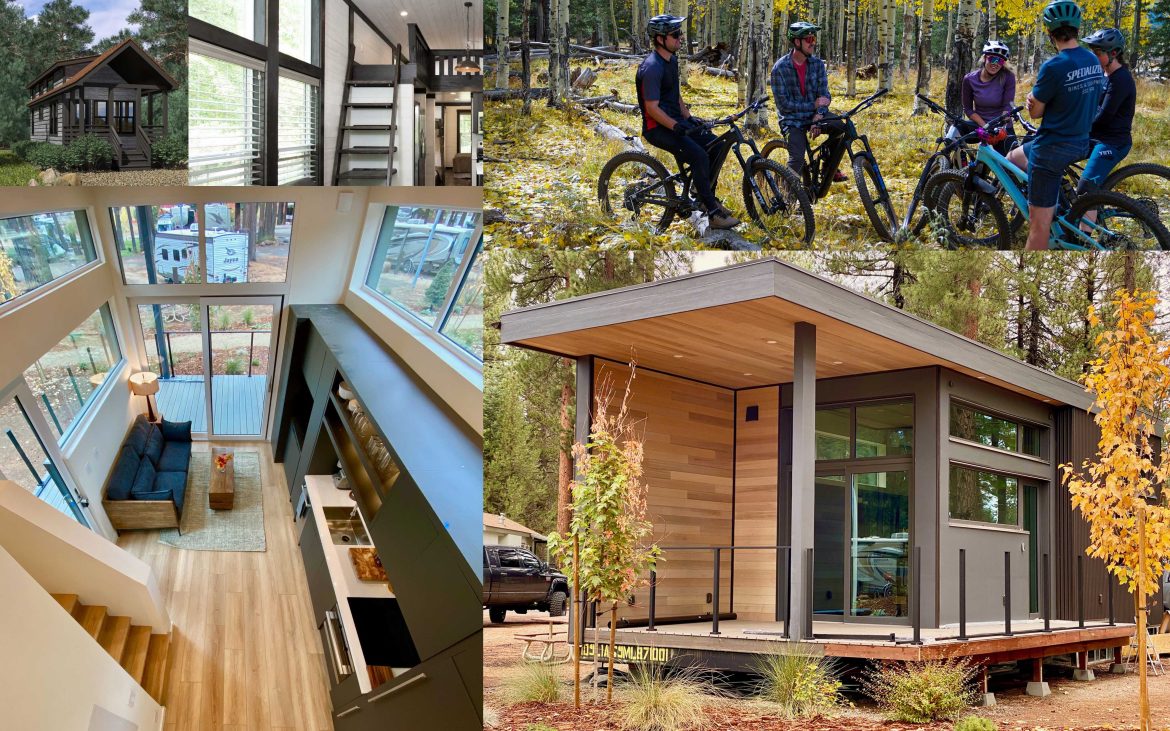
Simply putting up a sign and hoping people will show up often isn’t enough. A well-planned strategy is essential to attract guests to your campground. With social media, search engines, and online travel agencies (OTAs), campground owners have more advertising options than ever. However, traditional offline methods like roadside signage and local partnerships still play a crucial role in reaching campers. This guide explores five key advertising strategies to help you maximize visibility, increase bookings, and build long-term guest loyalty.
How to Advertise a Campground: Key Strategies
Running a campground is like hosting a never-ending outdoor festival—except instead of rock bands, you’ve got campfires, s’mores, and guests who expect a great va experience. To keep your campground full and thriving, you need a solid campground digital advertising strategy. This means balancing paid advertising with organic (meaning regular searches you see on search engines like Google) to boost awareness of your campground and resonate with your target audience.
| Key Points | Pro Tip | |
| How Audience Insights Shape Campground Advertising Ideas | Understand audience demographics, booking seasons, and interests to tailor ads. Use guest surveys and PMS data. | Use PMS data, social media engagement, and surveys to refine marketing strategies. |
| Website Optimization & SEO for Organic Visibility | Optimize for SEO with local keywords, ensure mobile-friendly design, fast load speeds, and easy online booking. | List on Google My Business and collect reviews to boost local SEO. |
| Social Media Marketing & Campground Facebook Advertising | Use targeted ads, encourage user-generated content, run engagement campaigns, and leverage video marketing. | Create a Facebook Group to build a community around your campground. |
| Leveraging Email Campaigns & Loyalty Programs | Send automated welcome emails, offer seasonal promotions, and create a loyalty program to encourage repeat guests. | Use automated email sequences in PMS to stay connected with guests. |
| The Power of Referral Marketing & Guest Reviews | Offer referral discounts, encourage guest reviews, and collaborate with influencers to expand visibility. | Feature top guest reviews on your website and social media for credibility. |
1. How Audience Insights Shape Campground Advertising Ideas
Before throwing money at ads, let’s talk about who your guests are. Understanding your audience allows you to tailor your messaging, promotions, and offers effectively.
- Demographics Matter: Are your campers families, retirees, digital nomads, or adventure seekers? Each group responds to different marketing messages. Make sure your messaging is tailored to your audience(s), which means you might have to make multiple ad types.
- Peak Booking Seasons: When do people book the most? Target them ahead of these periods.
- Guest Interests: Some campers are looking for a quiet escape, while others want adventure-packed weekends. Cater your messaging accordingly.
Pro Tip: Use guest surveys, social media engagement, and booking trends from your property management system (PMS) to refine your marketing strategy.
2. Website Optimization & SEO for Organic Visibility
Your campground’s website is your digital front door—keep it inviting and easy to find.
- SEO-Friendly Pages: Optimize your website with relevant locally-focused keywords like:
- “best campgrounds in [your location]”
- “RV parks with full hookups near [your city]”
- “pet-friendly camping sites in [region]”
- Mobile-Friendly Design: Many travelers book via smartphones. A clunky website will cost you bookings.
- Fast Load Speed: Slow websites lead to high bounce rates. Optimize images, streamline design, and use a reliable hosting provider.
- Online Booking System: Make sure guests can reserve a spot directly from your site without hassle.
Pro Tip: List your campground on Google My Business and encourage guests to leave reviews to boost local SEO rankings.
3. Social Media Marketing & Campground Facebook Advertising
Social media is the ultimate digital campfire where travelers share experiences and look for recommendations.
- Facebook & Instagram Ads: Target travelers planning camping trips with location-based and interest-based ads.
- User-Generated Content: Encourage guests to post and tag your campground in their photos.
- Engagement Campaigns: Run contests, polls, and giveaways to boost engagement.
- Video Content: Show off your campground’s amenities, local attractions, and guest testimonials.
Pro Tip: Create a Facebook Group for past and future guests to foster a community around your campground.
4. Leveraging Email Campaigns & Loyalty Programs
Email marketing keeps former guests coming back and new guests engaged.
- Welcome Emails: Automatically send a warm greeting when someone books a stay.
- Seasonal Promotions: Offer discounts for early reservations, off-peak stays, or returning campers.
- Loyalty Program: Reward frequent visitors with exclusive perks like free nights or priority bookings.
Pro Tip: Use automated email sequences in your PMS to keep in touch with guests before, during, and after their stay. Newbook has a built-in email marketing tool to make it easy to schedule automated emails.
5. The Power of Referral Marketing & Guest Reviews
Word-of-mouth marketing remains one of the most powerful tools.
- Referral Discounts: Offer incentives to guests who bring friends.
- Encourage Reviews: Happy campers equal great reviews. Ask guests to leave a review on websites like Google, Facebook, and TripAdvisor.
- Influencer Collaborations: Partner with travel bloggers and outdoor enthusiasts to showcase your campground.
Pro Tip: Feature top guest reviews on your website and in social media posts to build trust with potential visitors.
Using Online Travel Agencies to Promote Your Campground

OTAs are a big business. The online travel market size is estimated to reach 838 Billion U.S. dollars by 2029, which highlights how effective and convenient people find booking online. For campground owners, leveraging OTAs isn’t just about visibility; it’s about increasing bookings and creating long-term customer relationships.
Reaching Your Target Audience
OTAs put your campground in front of a massive audience of travelers actively searching for accommodations. But how do you ensure your property stands out?
- List on Multiple Platforms: Consider listing your campground on Airbnb, Booking.com, Expedia, and niche camping-focused websites to reach diverse traveler segments. While some channel managers charge you extra for listings above a certain number (usually one or two) or for multiple properties, Newbook gives you the power to make unlimited listings for multiple properties for no extra fees.
- Optimize Your OTA Listings: High-quality images, detailed descriptions, and clear pricing help your listing perform better.
- Leverage OTA Filters: Many travelers use filters like “pet-friendly,” “RV hookups,” or “lakefront camping.” Ensure your listing includes all relevant tags to improve visibility.
- Offer Promotions & Discounts: OTAs reward properties that offer exclusive discounts. A 10% first-time booking discount, for example, could significantly boost visibility.
- Respond to Reviews: The more positive reviews you collect, the higher your ranking on OTA search results. Engaging with guest feedback also builds trust.
Make sure your PMS integrates with OTAs to keep your availability and rates synced in real-time, avoiding double bookings and pricing errors. Newbook allows you to make global updates with a single change, ensuring that your images and descriptions are always updates. Further, Newbook’s dynamic pricing feature also integrates with OTAs, meaning that your prices will also be adjusted and synced automatically.
The Billboard Effect & How It Encourages Direct Bookings
One of the biggest perks of using OTAs? The Billboard Effect—a phenomenon where travelers discover your campground on an OTA but then visit your website to book directly.
How the Billboard Effect Works:
- Traveler searches for campgrounds on an OTA, coming across your listing while browsing.
- They visit your website for more details, and seeing your amenities, special offers, and policies in more detail makes them more confident in booking.
- If your direct booking process is simple, guests will skip the OTA fees and book directly with you.
Maximizing the Billboard Effect:
- Ensure Your Website is Optimized for Bookings: If guests land on your website but find it clunky, they’ll return to the OTA. Make sure your online booking system is easy to navigate.
- Offer Exclusive Direct Booking Perks: Free firewood, early check-in, or a 5% discount for direct bookings can be enough to sway guests away from OTAs.
- Use Retargeting Ads: If someone visits your site after finding you on an OTA, Google and Facebook retargeting ads can remind them to book directly.
- Showcase Guest Reviews on Your Website: Display OTA reviews on your site to build credibility and encourage direct bookings.
Offline Campground Advertising Ideas: Bringing Guests to Your Doorstep
While digital marketing gets most of the attention, offline advertising still plays a crucial role in attracting campers—especially those who love spontaneous road trips or prefer traditional planning methods. Here’s how to make sure your campground stands out offline as well as online.
1. Local Partnerships & Sponsorships
Partnering with local businesses and community organizations can boost visibility and bring in campers who might not have found you otherwise. Plus, you’re also building important relationships with the other businesses in your community.
Ways to Build Local Partnerships:
- Collaborate with Outdoor & RV Stores: Partner with gear shops, RV dealerships, and outdoor outfitters to offer discounts or distribute brochures.
- Work with Local Tourism Boards & Visitor Centers: Ensure your campground is featured in local tourism guides, maps, and recommendation lists.
- Sponsor Community Events: Support local farmers’ markets, outdoor festivals, or charity runs in exchange for branding opportunities.
- Offer Discounts to Nearby Business Employees: Local businesses can refer their staff or customers to your campground in return for discounts or cross-promotions.
- Partner with Local Attractions: Offer package deals with local hiking tours, kayak rentals, or wineries to create a full experience for campers.
- Do a Story with the Local Newspaper: Tourists and locals alike may visit your local newspaper’s website or read the physical paper. Doing a story with the local newspaper every once in a while not only raises awareness of your campground but also resonates with people with an authentic local business story.
2. Print Ads & Direct Mail Marketing
Print marketing isn’t dead! In fact, in the camping and RV world, a surprising number of travelers still partly or fully rely on physical maps, guides, and brochures to plan their trips. This is for a number of reasons, from lack of mobile service to not wanting to incur additional charges on their phone bill for increased use of mobile data.
Where to Place Print Ads:
- Regional Travel Magazines & Newspapers: Look for publications that focus on outdoor travel, RVing, and camping.
- Local Maps & Brochures: Get your campground listed in state park maps, tourism guides, and AAA booklets.
- RV Club & Camping Association Publications: Groups like Good Sam, Escapees RV Club, and KOA directories are prime advertising spots.
Using Direct Mail Effectively:
- Send Postcards with Special Offers: Reach out to past guests or nearby residents with a compelling discount.
- Target RV Owners & Outdoor Enthusiasts: Many RV dealerships and outdoor clubs have mailing lists available for advertising.
- Include a QR Code: Make it easy for potential guests to scan and book online.
3. Roadside Signage & Event Promotions
Campers on road trips make last-minute decisions about where to stay. Great signage and event presence can help direct them your way.
Optimizing Roadside Signage:
- Place Signs on Major Highways and Exits: Ensure your campground is visible miles/km before the nearest turnoff.
- Use Clear & Simple Messaging: Phrases such as “Full Hookups – Next Exit” or “Family-Friendly Campground 5 Miles Ahead” work better than signs cluttered with text. Remember, people need to be able to read the sign at a glance while they are driving.
- Make it Eye-Catching: Use bold colors, large fonts, and clear branding to stand out.
- Advertise Special Features: Highlight popular amenities like pet-friendly areas, glamping options, or unique amenities like hot showers or a general store.
Event-Based Marketing:
- Attend Outdoor & RV Shows: Set up a booth at local RV expos, camping fairs, and adventure travel shows to meet potential guests.
- Host Events at Your Campground: Organize fun and unique campground activities like stargazing nights, BBQ cook-offs, or fishing tournaments to attract visitors.
- Sponsor Local Festivals & Fairs: Get your name out there by sponsoring concerts, rodeos, or nature festivals in your area.
Using a Campground Advertising Agency: Boosting Awareness & Bookings

Marketing a campground isn’t just about putting up a few Facebook ads or handing out brochures at an RV show—it requires a strategic, multi-channel approach to reach campers, road-trippers, and outdoor enthusiasts. Oftentimes campground owners simply don’t have the time to build a comprehensive strategy beyond the basics. A campground advertising agency specializes in the camping and RV industry, using market research to target the ideal guest. With expertise in hospitality trends and traveler behavior, a campground advertising agency crafts strategic campaigns that attract the right audience. Whether promoting glamping, eco-friendly stays, or other unique offerings, agencies ensure your campground stands out.
Maximizing Digital Marketing Channels
A campground advertising agency tailors digital marketing to reach the right audience across multiple platforms. Through market research, they identify guest demographics and booking behaviors, then create a customized strategy using SEO, PPC, social media, and email automation to boost awareness and direct bookings.
| Marketing Type | Description | How It Benefits Campgrounds |
| Search Engine Optimization (SEO) | Optimizing your website and content to rank higher in search engine results for relevant keywords. | Increases organic traffic, improves discoverability for searches like “best campgrounds near [location],” and reduces dependency on paid ads. |
| Pay-Per-Click (PPC) Advertising | Running paid ads (Google Ads, Facebook Ads) that appear in search results or social media feeds, where you pay per click. | Drives immediate traffic, targets specific camper demographics, and boosts bookings during peak seasons with controlled ad spend. |
| Social Media Marketing | Promoting your campground through organic posts and paid promotions on platforms like Facebook, Instagram, and TikTok. | Engages potential guests, builds community, encourages user-generated content, and boosts brand awareness. |
| Email Automation | Sending pre-scheduled or triggered emails to potential and past guests based on their interactions. | Encourages repeat bookings, promotes special offers, nurtures guest relationships, and enhances loyalty programs. |
By handling these digital marketing elements, agencies allow campground owners to benefit from a consistent online presence without having to navigate the complexities of digital advertising themselves. Their expertise ensures that every dollar spent on online marketing is used efficiently to increase occupancy and drive revenue.
Conclusion
Successful campground advertising is a mix of digital and offline strategies that work together to keep your campground fully booked. From SEO and social media marketing to email campaigns, referral programs, and OTAs, each approach plays a role in attracting new guests and encouraging repeat visits. Whether you’re refining your digital presence or enhancing local partnerships, the key is to stay proactive, data-driven, and guest-focused.
You can make managing your campground advertising and operations workflows easier with a comprehensive PMS. Reach out to Newbook today to get started.