
Everyone wants to save time at their business. After all, time is money. So it’s no surprise that the hospitality industry has embraced automation to work smarter, not harder.
Imagine being able to work remotely and still be able to manage your revenue, organize your team’s tasks for the day, and basically have a bird’s eye view of your hotel operations, without having to leave your home. How would it improve your day? Would it allow you to be more flexible with your work schedule, and spend more time with your family? Chances are that once you implement a hotel automation system, you not only won’t want to go back, but you’ll wonder how you managed for so long without it.
Whether you’re managing a small boutique property or a large hotel chain, adopting hotel automation solutions can revolutionize the way you run your business. This article explores key automation applications, practical steps to implement them, and the many benefits they offer to modern hotels.
What is Hotel Automation?
Hotel automation refers to the use of technology to streamline and automate various hotel operations and services. From booking and check-in processes to managing guest services and amenities, hotel automation solutions aim to improve efficiency, reduce operational costs, and enhance the overall guest experience. 43% of hotels are already automating repetitive tasks, so why not join them?
Automation in the Hotel Industry: Key Applications
The table below highlights some of the key ways that automation can be used for your hospitality business:
| Category | Automation Application |
| Booking and Reservations | Automated booking systems allow guests to make reservations directly through the hotel’s website or third-party platforms, reducing the need for manual data entry and improving booking accuracy. |
| Check-In and Check-Out | Self-service kiosks or mobile apps enable guests to check in and check out on their own, eliminating long queues and streamlining the arrival and departure process. |
| Guest Services | In-room tablets, mobile apps, and chatbots allow guests to request room service, housekeeping, or maintenance at their convenience, without having to call the front desk. |
| Housekeeping and Maintenance | Hotel automation tools can schedule and track housekeeping tasks, ensuring rooms are cleaned and maintained efficiently without overstaffing or manual scheduling. |
Benefits of Hotel Automation
- Reducing Costs: hotel automation solutions reduce the need for manual processes, cutting down labor costs. For example, self-check-in kiosks reduce the demand for front desk staff, while automated housekeeping systems help allocate cleaning tasks more efficiently, reducing wasted labor hours. For example, you could set up an automation where when a booking for a room is confirmed, a task for cleaning that room prior to guest arrival is created.
- Increasing Operational Efficiency: Hotel automation technology improves workflow by simplifying repetitive tasks, such as managing bookings, processing payments, and scheduling maintenance. This allows hotel staff to focus on more guest-centric responsibilities, leading to smoother operations.
- Enhancing Guest Satisfaction: Automation provides a more personalized and convenient experience for guests. Mobile apps, smart room controls, and in-room service automation make it easier for guests to control their stay, leading to greater satisfaction and loyalty. In fact, most guests prefer to have self-service options available to them. By reducing wait times, improving service speed, and offering convenience, hotels can create a seamless and enjoyable guest experience.
- Optimizing Energy Usage: Automation systems, such as smart thermostats and lighting controls, adjust energy use based on room occupancy. For example, the system can reduce heating or cooling when rooms are vacant, resulting in significant savings on utility costs without compromising guest comfort.
- Improving Accuracy and Reducing Human Error: Automated processes eliminate the possibility of manual entry errors in tasks like booking management, billing, and inventory tracking. This leads to more accurate records, fewer mistakes, and smoother overall operations, giving both staff and guests a better experience.
- Enabling Data-Driven Insights: Automation software collects valuable data on guest preferences, operational efficiency, and occupancy trends. Hotels can use this data to make informed decisions, such as adjusting room rates dynamically, optimizing marketing strategies, or enhancing personalized guest services based on past behavior.
Hotel Room Automation: Enhancing the Guest Experience
Hotel room automation is quickly becoming a game-changer for creating a more comfortable and personalized guest experience. With just a few upgrades, you can turn an average hotel stay into something memorable, where guests feel like everything they need is right at their fingertips.
Examples of In-Room Automation Systems that Improve Comfort
Guests want convenience, and in-room automation delivers just that. Imagine walking into a hotel room where the temperature adjusts to your liking as soon as you enter. Smart thermostats make this possible, allowing guests to set the perfect temperature with a touch on their phone or in-room tablet. Then, there’s automated lighting, which can be programmed to dim or brighten according to guest preferences or time of day, creating the ideal ambiance for relaxation or work.
Some hotels even offer automated blinds or curtains that guests can control with a remote or voice command, so they don’t have to get up from bed to enjoy a beautiful sunrise or create a dark room for a midday nap. Personalized entertainment is another big one—smart TVs that remember a guest’s favorite streaming services and provide seamless access to their favorite shows or movies are another way to take the experience to the next level.
The Role of Smart Devices in Streamlining Guest Services
Smart devices like tablets and voice assistants are also stepping up the game in how guests interact with hotel services. With an in-room tablet, your guests can order room service, request extra towels, or book a spa appointment—all without picking up the phone. It’s a hassle-free way for guests to get what they need and for your staff to manage requests more efficiently.
Voice assistants, like Amazon’s Alexa or Google Assistant, are becoming more common in hotel rooms. Guests can simply ask the device to adjust the thermostat, turn on music, or even provide local recommendations for restaurants or attractions. It’s like having a personal concierge available 24/7, making guests feel taken care of at all times.
Hotel Automation Use Cases in Other Accommodation Types
Hotel automation software can also benefit other types of accommodation, such as campgrounds, RV parks, and airbnbs. If you choose property management software (PMS) that allows third-party integrations, like Newbook, then you can incorporate even more automation types. Let’s take a closer look at an example with Newbook if you download the add-on Wild Energy from Newbook’s integrations store:
- A guest checks into a powered campsite via their phone, through a self-service kiosk, or at the front desk. From there, a notification is sent to a team member—who doesn’t necessarily need to be onsite—to activate the power for that campsite. They do so with a click on their computer or touch on their smartphone.
- Upon checkout, the same process occurs: the team member gets a notification that the guest is checking out, and they are able to turn off the power to that campsite from a device. From there, the software can compile usage costs and incorporate that into the guest’s final bill.
As you can imagine, the process above is much simpler than sending someone out to the campsite and physically turning the power on. And when it comes to billing, there’s no calculations needed to give the guest a bill for power usage.
Another example is Airbnb hotel automation. Most Airbnb owners are not onsite constantly, so having automated processes at their fingertips is a massive time-saver. Hosts can use automation to schedule cleaning and maintenance services, for example, based on booking dates. With platforms like TurnoverBnB, cleaning teams are automatically notified of a guest’s check-out, ensuring the property is cleaned and ready for the next arrival without manual coordination from the host.
Your all-in-one, online booking system
Newbook is your all in one online booking system. Talk to us today to learn how you can improve operations and increase booking for your business.


Hotel Booking Automation: Streamlining the Reservation Process

Hotel booking automation is a powerful tool that simplifies and optimizes the reservation process by handling bookings across multiple platforms. Whether it’s through OTAs like Expedia, direct bookings from your hotel’s website, or even platforms like Airbnb, hotel booking automation simplifies everything by managing your availability and guest communication seamlessly.
Automating Reservations and Managing Availability Across Multiple Platforms
Keeping track of reservations across several platforms can be a headache, especially when you’re trying to avoid double bookings. With booking automation, you can sync all your reservations in real-time—so when someone books a room through one platform, your availability is updated instantly across all others. No more manual updates or missed opportunities. It’s quick, accurate, and stress-free, letting you focus on more important things.
Airbnb Hotel Automation: Integrating Short-Term Rental Platforms with Hotel Booking Systems
If your hotel is listing rooms on Airbnb or similar platforms, integrating Airbnb automation with your booking system is a must. This setup allows you to manage Airbnb reservations just like your direct bookings, all from one central dashboard. Your calendars will stay synced, prices will adjust automatically, and guest communication will be a breeze. Plus, Airbnb is a great way to fill rooms during slower periods, expanding your reach to a wider range of travelers.
Benefits of Automated Booking Systems
Using automated booking systems comes with a ton of benefits:
- Fewer Errors: With everything updated automatically, you can say goodbye to manual entry mistakes and double bookings.
- Faster Responses: The system sends instant confirmations and emails to guests, making the whole booking process faster and smoother for everyone.
- Optimized Room Allocation: These systems are smart—they ensure rooms are allocated in the most efficient way possible, so you can boost occupancy rates without lifting a finger.
Hotel Operations Automation: Improving Day-to-Day Efficiency
Running a hotel comes with a lot of moving parts, and keeping everything running smoothly can be a challenge. That’s where hotel operations automation steps in. By automating key tasks like housekeeping, inventory management, and maintenance, you can take a lot of the manual work off your staff’s plate, making your day-to-day operations a lot more efficient.
Automating Housekeeping, Inventory, and Maintenance
Imagine if your housekeeping team knew exactly which rooms needed attention as soon as guests checked out, or if your inventory automatically updated when supplies ran low. With automation, that’s all possible. Property management automation systems can track which rooms need cleaning, send alerts when maintenance is required, and even manage your stock levels, so you’re never scrambling to reorder towels or toiletries at the last minute.
Streamlining Staff Workflows
Whether you’re running a large hotel or a smaller property, automation can make a huge difference in how your team works. Instead of relying on spreadsheets or paper checklists, automated systems give staff clear instructions, real-time updates, and easy-to-use dashboards. This cuts down on confusion, ensures nothing gets missed, and lets your team focus on delivering great guest experiences.
Examples of Hotel Automation Systems
Here are some automation tools that can help streamline your hotel’s daily operations:
| Hotel Automation System | What it Does |
| Maintenance Management | Automatically track the status of equipment and facilities, sending alerts when repairs are needed or when routine maintenance is due. |
| Inventory Management | Monitors supply levels and automatically reorders stock when it hits a low threshold, ensuring you never run out of essential items like linens or toiletries. |
| Energy Management | Controls heating, lighting, and cooling in guest rooms, adjusting settings when rooms are vacant to save on energy costs. |
| Guest Messaging | Automates communication with guests by sending welcome messages, service reminders, or checkout instructions, reducing the need for manual follow-ups. |
Hotel Revenue Automation: Maximizing Profitability
Maximizing your hotel’s profitability doesn’t have to mean constantly tweaking room rates by hand. That’s where hotel revenue automation comes in.
Real-Time Pricing Adjustments
One of the best things about automation is that it can adjust your pricing in real time. If demand suddenly spikes—say there’s a big event in town—your rates can automatically go up to capture more bookings at a higher price. On the flip side, if things are a bit slow, automated systems can lower your rates just enough to entice more guests to book, helping you keep occupancy levels high.
Tools for Automating Revenue Management: Integration of Pricing Engines with Booking platforms
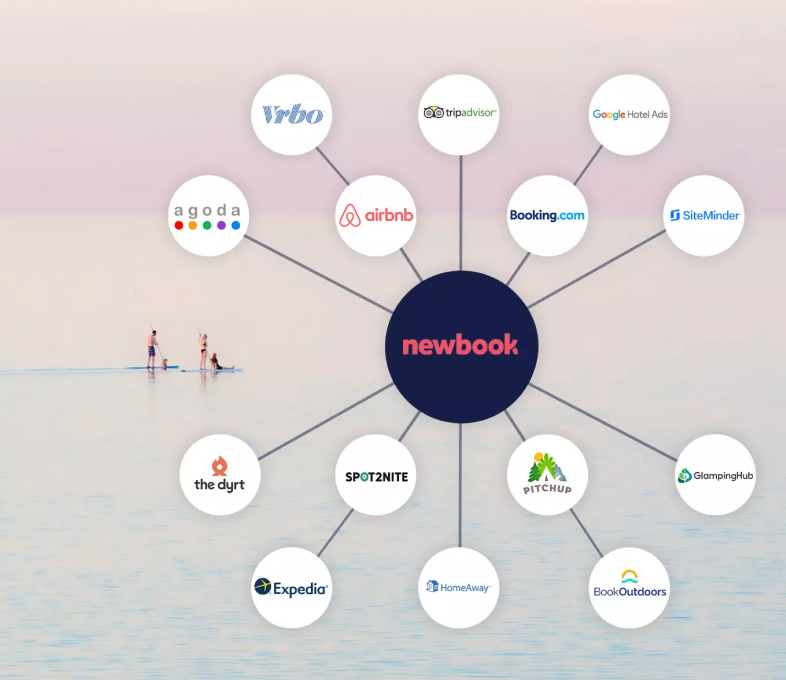
Integrating pricing engines with your hotel’s booking platforms is a powerful way to streamline revenue management and maximize profitability. These tools automatically adjust room rates based on demand, market trends, and competition in real-time, ensuring your pricing stays competitive and optimized through a process called dynamic pricing. With Newbook, you’re able to set a minimum and maximum price range for rooms, and the built-in dynamic pricing software adjusts your prices within that range based on the factors above. If you use Newbook’s included channel manager, your prices will automatically update on each of your listings, ensuring consistency across all channels.
More bookings, more often with our built in channel manager
Newbook is your all in one property management software. Talk to us today to learn how you can inprove operations and increase bookings for your business.
Implementing Hotel Automation Solutions: Practical Steps

Hotel automation can revolutionize the way you run your property, but knowing where to start is crucial for success. Here’s a step-by-step guide to help you implement the right automation solutions for your hotel.
1. Choosing the Right Hotel Automation Software
Selecting the right hotel automation software is a crucial first step in enhancing your hotel’s efficiency and guest experience. Here are key considerations to keep in mind when choosing the best solution for your property:
- Identify Areas for Automation: Determine which parts of your hotel operations need streamlining. Are you focusing on guest services like check-in, room service, or keyless entry, or are you looking to improve back-end operations like maintenance and inventory management?
- User-Friendliness: Choose software that is intuitive and easy for both staff and guests to use. The simpler the system, the faster it can be implemented and adopted across your team.
- Integration with Existing Systems: Ensure that the software integrates seamlessly with your current property management system (PMS), booking platforms, and payment processors. This will allow for smoother operations and reduce the need for redundant data entry.
- Customization and Flexibility: Look for solutions that can be customized to meet your specific hotel needs. Every property is different, and flexible software will let you tailor features and workflows accordingly.
- Scalability: Select software that can grow with your business. Whether you plan to expand your hotel or add more automation features over time, your solution should be scalable to adapt to future needs.
- Support and Training: Ensure the software provider offers comprehensive training and ongoing support for your team. This will help your staff feel confident using the system and quickly resolve any technical issues.
- Cost-Effectiveness: Compare the cost of different automation solutions, keeping in mind both the initial setup fee and ongoing costs. Choose a solution that offers the best value for your investment without compromising on essential features.
2. Key Considerations for Implementing Automation Solutions
- Budget: Set a clear budget for automation solutions. While automation can save you money in the long run, initial setup costs can vary, so prioritize solutions that offer the most value for your investment.
- Scalability: Choose solutions that can grow with your business. Whether you’re a small boutique hotel or a large chain, you’ll want software that can scale as your operations expand.
- Guest Expectations: Today’s guests expect convenience and personalization. Implement solutions that meet or exceed these expectations, like mobile check-in, keyless entry, or personalized messaging. Always consider how each automation solution will enhance the guest experience.
- Ease of Integration: Ensure that any new automation solution integrates smoothly with your existing systems, such as property management software, booking platforms, and payment processors. Seamless integration reduces disruptions and simplifies adoption for staff.
- Training and Support: Consider the learning curve for your staff. Opt for solutions that come with comprehensive training and ongoing support to ensure your team is comfortable using the new technology and can troubleshoot issues quickly.
- Data Security: Automation tools handle sensitive guest information and payment data, so it’s crucial to prioritize solutions with robust security features. Ensure the software complies with data protection regulations (like GDPR) and offers secure data storage and encryption to protect both your hotel and your guests.
3. Practical Hotel Automation Ideas to Start With
If you’re unsure where to begin, here are some easy-to-implement automation ideas that can have a big impact:
- Keyless Entry: Upgrade to smart locks that allow guests to use their smartphones to unlock their rooms, eliminating the need for physical keys and streamlining the check-in process.
- Automated Check-Ins: Implement self-service kiosks or mobile apps that let guests check in and out at their convenience, freeing up staff time and reducing wait times.
- Personalized Guest Communications: Use automated messaging systems to send guests personalized communications throughout their stay, such as welcome messages, service requests, or check-out reminders. This enhances the guest experience without adding extra tasks for your staff.
Conclusion
Hotel automation is no longer a futuristic concept—it’s a vital part of running an efficient, guest-centric operation. From automating bookings and check-ins to enhancing guest services through smart devices, automation can help you reduce costs, boost operational efficiency, and elevate the guest experience. By carefully selecting the right automation tools that fit your hotel’s needs, you can stay competitive in an evolving industry. Whether it’s implementing keyless entry, automating room service, or using dynamic pricing to optimize revenue, embracing automation will ensure your property runs smoothly, efficiently, and profitably in the years to come.
Start your hospitality automation journey with Newbook. Reach out to us today for a demo or general inquiry.
So you manage a hotel? We make it easy
Newbook is your all in one hotel management software. Talk to us today to learn how you can improve operations and increase bookings for your hotel.