
Imagine this: It’s a sunny summer weekend, and your campground is bustling with activity. Families are pitching tents, RVs are rolling in, and you’re juggling calls from travelers asking about availability. Meanwhile, your online listing on a major OTA still shows five available tent sites, even though they’ve all been booked hours ago. Chaos ensues as overbooked campers arrive, and you’re left scrambling to find a solution.
Now, picture the alternative: A seamless system that updates your inventory in real-time across every booking platform, ensuring no double bookings and keeping everyone happy. That’s the magic of a hotel channel management system. Whether you’re managing a rustic campground, a boutique hotel, or a sprawling resort, these systems are a game-changer. They automate inventory, rates, and bookings across platforms and direct booking engines, saving time, minimizing errors, and optimizing revenue. In this article, we’ll explore how the right channel management system can transform your operations, delight your guests, and boost your bottom line.
The Importance of a Hotel Channel Management System
The hospitality industry is fast-moving. Efficiently managing room inventory and rates across multiple distribution channels is critical. A hotel channel management system serves as a central hub, automating the distribution of room availability and pricing across platforms like online travel agencies (OTAs), global distribution systems (GDS), and direct booking channels. This system not only saves time but also ensures accuracy, helping hotels maximize revenue and reduce double bookings.
How Hotel Channel Management Systems Automate Inventory and Rate Distribution
The airline industry has been doing it for decades to ensure that the maximum number of seats are sold for each flight, but it’s only recently that the hospitality industry has adopted automated channel management. Hotel channel management systems streamline operations by synchronizing inventory and rates across all connected channels in real time. Here’s how they work:
- Centralized Control: Hotels update rates, availability, and promotions in one place. The system automatically pushes these updates to all connected channels.
- Real-Time Updates: Adjustments made to inventory or rates are reflected immediately across platforms, minimizing the risk of double bookings or underpricing.
- Dynamic Pricing: Many channel systems integrate with revenue management tools to adjust prices dynamically based on demand, competitor rates, and other factors. With Newbook, you simply set a minimum and maximum price range, and the dynamic pricing software automatically adjusts your prices based on the current market conditions. Dynamic pricing does rely on historical data, so it’s important to have a healthy set of past data to feed into the system.
- Time Efficiency: Eliminates manual updates on multiple platforms, allowing staff to focus on guest services. With Newbook, you can make a single update to a listing, including images, description changes, and more, and have those changes globally update on all platforms you’re listed with.
- Increased Control With Overbookings: If you’re a larger hotel that has successfully implemented an overbooking strategy, a hotel channel management system can still lend a hand with automation in this category by allowing you to control the number of bookings per platform. You’ll need a fair amount of data, including customer segmentation, booking behaviors, and more, to ensure that there’s little disruption to the guest experience and stress for frontline staff. In addition, a robust “walking” strategy should be in place to accommodate the guests that do end up on the negative end of an overbooking.
So you manage a hotel? We make it easy
Newbook is your all in one hotel management software. Talk to us today to learn how you can improve operations and increase bookings for your hotel.


The Role of Hotel Channel Managers in Connecting Properties to OTAs, GDS, and Direct Booking Platforms
A hotel channel manager acts as a bridge, connecting the property management system (PMS) to various distribution channels, ensuring seamless communication and data flow. Here’s why they’re essential:
| Platform | What it Does |
| OTA Integration | Channel managers link hotels to major OTAs like Booking.com, Expedia, and Airbnb, maximizing exposure to global travelers. |
| Global Distribution Systems (GDS) | Channel managers provide access to corporate travel markets by connecting hotels to GDS platforms such as Amadeus, Sabre, and Travelport. |
| Direct Booking Platforms | By integrating with a hotel’s website booking engine, channel managers enable real-time updates and direct reservations, reducing dependency on third-party platforms and saving commission costs. |
A robust channel management system is crucial for hotels aiming to remain competitive and profitable in an increasingly digital market. By automating inventory and rate management and ensuring connectivity with key distribution channels, these systems empower hotels to optimize operations and enhance the guest booking experience.
Benefits of Hotel Channel Management Software
By centralizing and automating room inventory and rate distribution across multiple channels, hotel channel management software empowers hoteliers to focus on enhancing guest experiences while optimizing revenue. Here is a breakdown of the primary benefits of the software:
1. Real-Time Synchronization of Bookings and Inventory Across Multiple Platforms
One of the most significant advantages of hotel channel management software is its ability to synchronize bookings and inventory in real-time. When a guest books a room on any platform—whether it’s an OTA, GDS, or the hotel’s direct website—the system automatically updates availability across all connected channels. This instantaneous communication reduces the risk of double bookings (unless you have an overbooking strategy in place), ensuring a seamless booking process for both the hotel and its guests.
3. Enhanced Revenue Optimization and Dynamic Pricing Strategies
Modern channel management systems often integrate with advanced revenue management tools, enabling dynamic pricing strategies that maximize profitability. These tools analyze market conditions, competitor rates, and booking trends to suggest or automatically adjust prices. For example, during periods of high demand, the system can increase room rates to capitalize on the surge, while during low occupancy periods, it can offer discounts or promotions to attract more bookings. This dynamic approach ensures that the hotel remains competitive while maximizing revenue potential across all platforms.
4. Broader Market Reach
By being able to connect to a wide range of distribution channels, a hotel channel management system allows properties to reach international markets and cater to diverse customer segments, from business travelers to leisure tourists. By ensuring that the hotel’s offerings are visible and up-to-date across all platforms, the software enhances the property’s exposure and increases the likelihood of capturing bookings from a global audience.
5. Improved Guest Experience
Channel management software directly contributes to a smoother booking experience for guests. Accurate inventory and pricing information across all platforms prevent frustrations stemming from unavailable rooms or outdated rates. When reservations are processed efficiently, guests receive confirmations promptly, which builds trust and satisfaction. The system’s ability to manage cancellations and modifications seamlessly also reduces the likelihood of disputes or misunderstandings, contributing to a positive overall experience.
6. Data-Driven Insights and Reporting
Another critical benefit of channel management software is its robust reporting and analytics capabilities. These systems provide valuable insights into booking trends, channel performance, and revenue patterns. For instance, hoteliers can identify which channels generate the most bookings or revenue and adjust their strategies accordingly. Additionally, data on booking lead times, average daily rates (ADR), and customer demographics help hoteliers make informed decisions about marketing and pricing strategies. This data-driven approach ensures that the hotel remains competitive and aligned with market demands.
7. Cost Savings
By automating tasks that would otherwise require manual input, channel management software significantly reduces labor costs. It eliminates the need for staff to log into multiple platforms to update inventory and rates, saving time and reducing the likelihood of costly errors. Hotels can reduce their reliance on OTAs by driving direct bookings through integrations with their website’s booking engine. Direct bookings not only save on commissions but also allow hotels to build stronger relationships with their guests.
Features to Look for in the Best Hotel Channel Management Software

Choosing the right hotel channel management software is critical for optimizing operations and maximizing revenue. The best solutions offer a combination of essential features, seamless integration, and user-friendly design. Below is a detailed look at the key features to consider, a comparison of free versus premium options, and why mobile accessibility is a must for modern property managers.
Key Features: Multi-Channel Integration, Analytics, and Reporting Tools
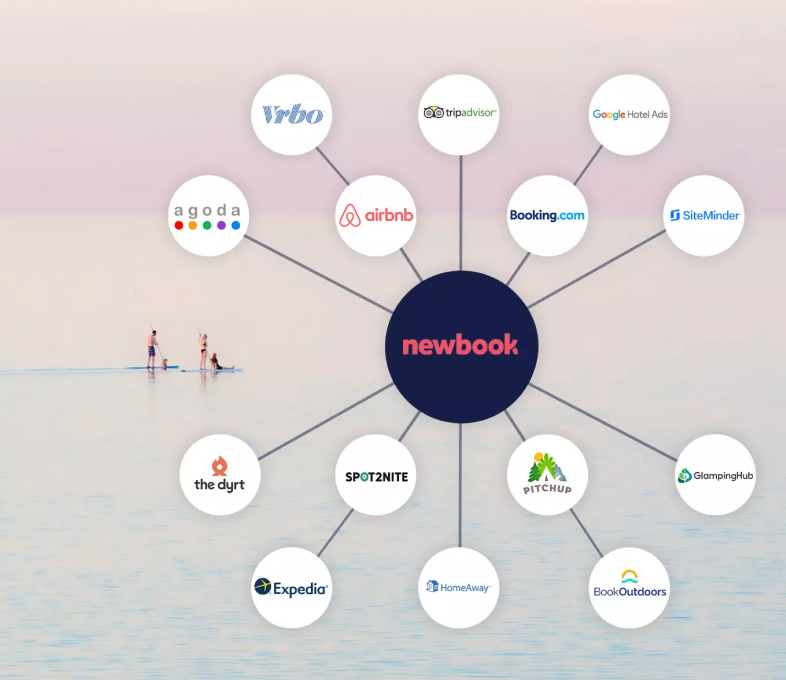
The best hotel channel management software should offer robust multi-channel integration, allowing seamless connectivity to OTAs, global distribution systems (GDS), and direct booking platforms. This ensures real-time synchronization of rates, inventory, and bookings across all channels. Newbook stands out in this category because, unlike many hotel channel managers, you can have unlimited listings for multiple properties—without extra charges.
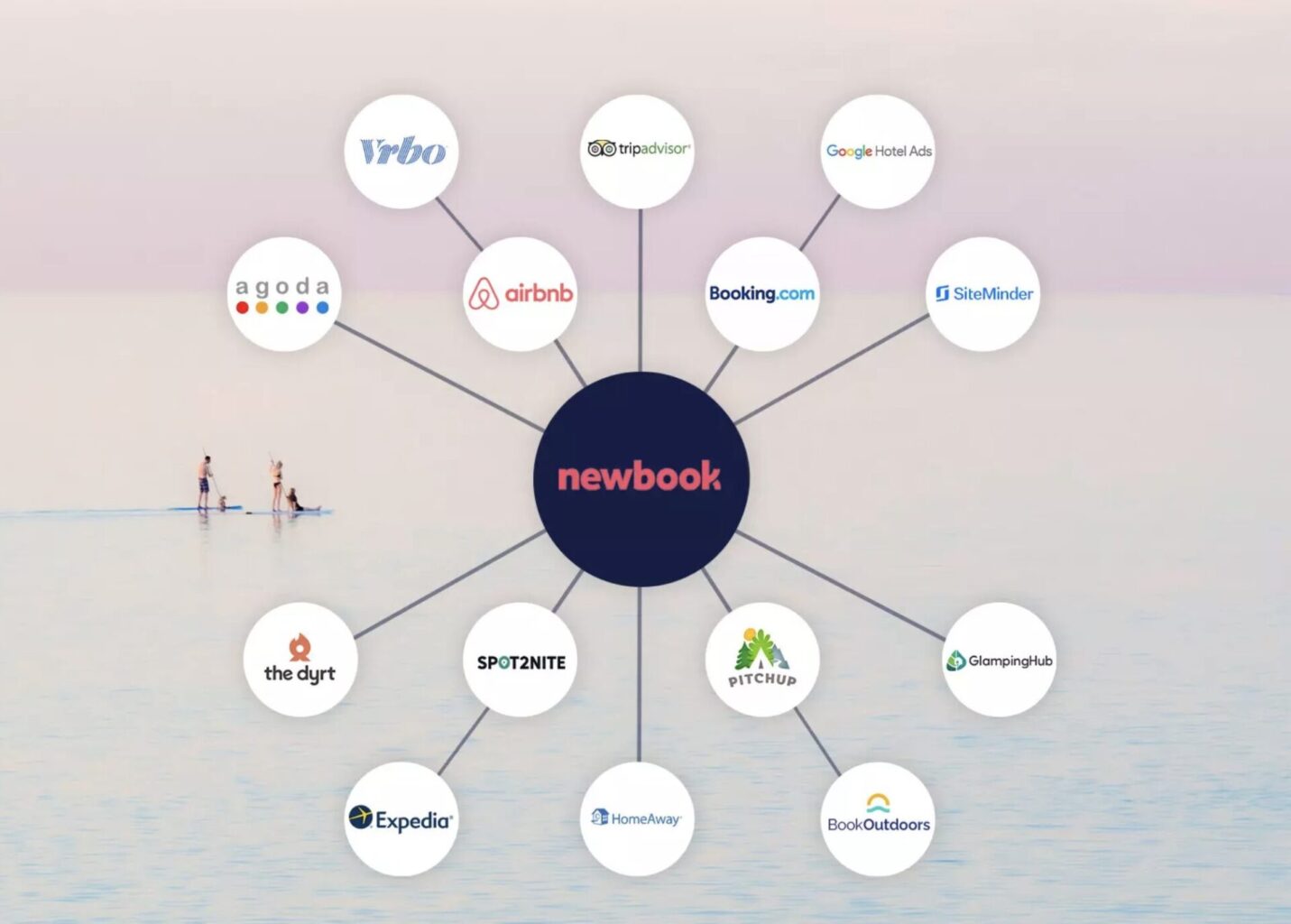
Additionally, analytics and reporting tools are indispensable for tracking channel performance, revenue trends, and booking behaviors. These insights empower hoteliers to make data-driven decisions, optimize pricing strategies, and identify high-performing platforms to focus their efforts on. Newbook provides customizable reports and visual dashboards for quick analysis.
More bookings, more often with our built in channel manager
Newbook is your all in one property management software. Talk to us today to learn how you can inprove operations and increase bookings for your business.
Comparison of Free vs. Premium Hotel Channel Management Software
While free hotel channel management software can be a good starting point for small properties, premium solutions are better suited for properties seeking scalability, advanced features, and robust channel connectivity.
Here is a direct comparison of free vs. premium hotel channel management software:
| Feature | Free Software | Premium Software |
| Channel Connections | Limited to a few OTAs or direct channels. | Supports multiple OTAs, GDS, and metasearch engines. |
| Real-Time Synchronization | Basic updates; may experience delays in inventory or rate changes. | Instant updates across all channels with minimal latency. |
| Integration with PMS/CRS | Often unavailable or restricted to basic systems. | Seamless integration with advanced property management systems. |
| Analytics and Reporting | Basic reporting, limited customization. | Comprehensive insights, customizable dashboards, and detailed reports. |
| Dynamic Pricing Tools | Rarely included. | Often includes tools for dynamic pricing and revenue optimization. |
| Customer Support | Limited or self-service only. | Prompt customer support, often with dedicated account managers. |
| Cost | Free, but with limited functionality and scalability. | Monthly or annual subscription, scalable to property needs. |
User-Friendliness and Mobile Accessibility for Property Managers on the Go
When it comes to hotel channel management software, user-friendliness is a big deal. Let’s face it, no one wants to spend hours figuring out a complicated system. A clean, easy-to-navigate interface makes life so much easier, even for team members who aren’t super tech-savvy. The simpler it is to use, the faster everyone can get on board and start benefiting from it.
And let’s not forget about mobile accessibility—it’s a game-changer for busy property managers. Whether you’re at the front desk, on the go, or just grabbing a coffee, having a mobile app or a responsive platform lets you keep an eye on bookings, tweak rates, and check reports right from your phone or tablet. Plus, features like push notifications for new reservations or channel issues mean you’re always in the loop, no matter where you are.
Unique Needs of Hotels Compared to Campgrounds in Channel Management
Hotels and campgrounds share the goal of efficiently managing bookings across multiple platforms, but their differences influence how they use channel management tools:
1. Room Inventory vs. Campsite Variety
Hotels typically manage a fixed inventory of rooms, often categorized by size, amenities, and views. Campgrounds, however, handle a more diverse inventory, including tent sites, RV hookups, cabins, and even glamping setups. Channel management software for campgrounds must accommodate this variety while ensuring accurate availability and pricing updates.
2. Seasonality and Length of Stay
Campgrounds often experience pronounced seasonality, with peak times during warmer months or holiday weekends. Additionally, stays at campgrounds are often longer, requiring tools that efficiently manage length-of-stay restrictions and pricing tiers. Hotels, on the other hand, focus on shorter stays and daily turnover, emphasizing dynamic pricing and quick updates.
3. Additional Resource Management
Campgrounds may need to allocate resources like firewood, picnic tables, or parking spaces for RVs. Channel management software for campgrounds often includes features to manage add-ons and ancillary services, which are less common in hotel-specific tools.
Streamlining Operations for Campgrounds Using Channel Management Software
For campgrounds, managing a variety of accommodation types and seasonal demand can be, at times, a bit more complex compared to hotels. Channel management software simplifies these operations by centralizing key processes:
1. Real-Time Availability Updates, Even With Multiple Accomodation Types
Let’s say you have a campground that has RV sites, tenting sites, and cabins. Managing bookings for multiple types of accommodations can be a challenge. After all, you don’t want to accidentally double book your last campsite and then tell the camper that arrives with tons of outdoor equipment that all you have is a cabin. With a hotel channel management system, you can control the availability of multiple accommodation types and automate inventory management, providing real-time updates for all of them on all of the platforms you list with without you having to lift a finger.
2. Dynamic Pricing and Promotions
Campgrounds can also benefit from dynamic pricing tools to adjust rates based on demand, seasonality, or length of stay. For example, weekend rates during peak season can be set higher than weekday rates in the off-season. If you have property near a festival city or somewhere where year-round camping is commonplace, dynamic pricing can help you set the right price for your campsites just like a hotel.
3. Integration with Niche Reservation Platforms
Campgrounds often rely on niche camping-related accomodation platforms to connect with outdoor enthusiasts. Channel management software that integrates with these specialized platforms ensures that your listings are always up-to-date and accessible to your target audience. This level of connectivity helps attract more campers and enhances your visibility in a competitive market.
4. Seamless Communication with Guests
Effective communication is vital for providing a great guest experience. Channel management software can automate confirmation emails, reminders, and pre-arrival information, such as campground maps or rules. Additionally, it can facilitate direct messaging with guests for special requests or questions, saving staff time while keeping guests informed and satisfied.
How to Choose the Right Hotel Channel Management System

Selecting the ideal hotel channel management system is crucial for optimizing your property’s operations and maximizing revenue. To make an informed decision, consider the following factors:
1. Evaluating Software Based on Property Size, Budget, and Target Audience
- When selecting a hotel channel management system, it’s crucial to match the software’s capabilities to your property size, budget, and target audience.
- Smaller boutique hotels often require simpler systems that focus on core functionalities.
- Larger resorts with complex operations benefit from comprehensive solutions capable of handling high booking volumes and detailed configurations.
- Budget considerations play a significant role, with free or lower-cost options suitable for smaller properties just starting out.
- Medium to large establishments gain more value from premium systems offering advanced features and scalability.
- Understanding your target audience—whether business travelers, leisure tourists, or niche markets—ensures the system integrates with the right distribution channels to effectively reach those guests.
2. Importance of Scalability, Customer Support, and Training Resources
- Scalability is a key factor; the system should grow with your property, accommodating increased booking volumes, new distribution channels, or expanded room inventories without sacrificing efficiency.
- Reliable, around-the-clock customer support is essential for addressing issues promptly and minimizing disruptions.
- Comprehensive training resources, including tutorials and live support, are critical for a smooth onboarding process.
- Effective training enables your team to maximize the system’s potential and improve overall operational efficiency.
3. Ease of Integration with Property Management Systems (PMS) and Revenue Management Systems (RMS)
- A hotel channel management system must integrate seamlessly with existing property management and revenue management systems to maximize efficiency.
- Real-time data synchronization between systems reduces manual input errors and ensures consistent information across platforms.
- Newbook’s all-in-one software exemplifies seamless integration by combining property management, booking engine, and channel management functionalities into a single platform.
- This integrated approach simplifies operations by centralizing tasks and improving overall efficiency, making it an excellent solution for streamlining management processes.
4. Mobile Accessibility for On-the-Go Management
- With modern property managers often multitasking and making decisions on the go, mobile accessibility is an essential feature.
- A good channel management system should include mobile apps or responsive platforms, enabling managers to monitor bookings, update inventory, and adjust pricing in real time from smartphones or tablets.
- Push notifications for new bookings or urgent issues ensure managers stay informed wherever they are, preventing missed critical updates.
5. Support for Multi-Property Management
- Businesses managing multiple properties need channel management systems that provide centralized management tools.
- The ability to oversee inventory, rates, and performance analytics across various properties within one interface saves time and reduces complexity.
- This feature is particularly beneficial for hotel chains or property groups seeking to standardize operations while maintaining flexibility for individual properties.
- Newbook supports multi-property management, allowing properties to list with multiple OTAs without incurring additional fees.
6. Customization and User-Friendliness
- Since every property operates differently, a channel management system should offer customization options to adapt to specific needs.
- Customization features might include setting unique rate plans or modifying how data is displayed to suit operational preferences.
- User-friendliness ensures both tech-savvy and non-technical staff can easily navigate the platform, reducing the learning curve.
- A well-designed interface enhances staff productivity and operational efficiency, ensuring the system is used to its full potential.
Conclusion
A hotel channel management system is no longer a luxury but a necessity in digital-first society. By automating inventory updates, integrating with revenue management tools, and providing real-time connectivity to multiple platforms, these systems empower accommodation providers to operate more efficiently while maximizing revenue opportunities. For hotels, campgrounds, and resorts, selecting the right software tailored to their size, budget, and audience can unlock significant operational and financial benefits. With solutions like Newbook’s all-in-one platform, properties can achieve seamless integration and centralized control, paving the way for long-term success. Embracing a channel management system is not just about improving operations; it’s about staying competitive and exceeding guest expectations in a rapidly evolving market.
Reach out to Newbook today for a demo or more information, and start saving time and money.
Your all-in-one, online booking system
Newbook is your all in one online booking system. Talk to us today to learn how you can improve operations and increase booking for your business.