
Navigating the world of short-term rental platforms can kind of feel like speed dating with software. You want something that looks good, performs well, and doesn’t ghost you when things get complicated. But not all platforms are created equal, and choosing the wrong one can lead to more manual work, lost revenue, and a serious case of platform regret.
Whether you manage a single glamping site or an empire of RV parks, your choice of platform shapes everything from guest satisfaction to back-office sanity. This guide breaks down what these short-term rental platforms really are, what they’re not, how they’ve evolved, and—most importantly—how to choose one that actually fits your business like a glove (not a one-size-fits-most gimmick).
What Are Short-Term Rental Platforms (and What Aren’t They)?
Short-term rental platforms are digital solutions that connect property owners and managers with travelers looking for temporary accommodation. They started as listing directories, but today they’re often full-service platforms that combine booking management, payment processing, messaging, and analytics in one place.
In your tech stack, they typically sit between your Property Management System (PMS) and the guest, playing the dual role of marketer and booking agent. Depending on the platform, they might also integrate with your channel manager. Some of these platforms can also take advantage of real-time sync and/or dynamic pricing tools if your PMS offers them (Newbook offers both).
What a short-term rental platform is not:
- They’re not a substitute for a PMS. Short-term rental platforms help with bookings, but they don’t usually manage your entire operations like Newbook does.
- They’re not all equal. Some short-term rental platforms focus on exposure (like OTAs), others on guest experience (like niche platforms), and some on ownership (like direct booking engines).
- They’re not just for Airbnbs and condos. Campgrounds, RV parks, glamping resorts, and marinas are finding their groove, too, especially on platforms that understand alternative lodging.
The Evolution: From Listings to Hospitality Powerhouses
Once upon a time, listing your property online was a simple affair. You’d upload a few photos, jot down some amenities, and wait for guests to book. That was the listing-only era—minimal tools, limited control, and a lot of crossed fingers.
But like hospitality itself, these platforms didn’t stay static. They evolved. Soon, booking engines stepped in, introducing features like real-time calendars, secure payments, and guest reviews. Suddenly, short-term rental platforms weren’t just marketing tools—they were facilitating the entire reservation process.
Then came the next wave: full-service short-term rental platforms. These aren’t just about taking bookings—they’re about managing the entire guest journey. From pre-arrival messaging and dynamic pricing to automated check-ins and review requests, platforms now handle the nuts and bolts of modern hospitality. Many also come with dashboards and analytics, giving property managers valuable insight into performance and trends.
Today, the top platforms don’t operate in silos. They integrate directly with PMS, channel managers, and other key tools. This level of interoperability means less time juggling spreadsheets and more time focusing on the guest experience.
So while the earliest short-term rental listing platforms were little more than digital classifieds, today’s players are full-blown hospitality ecosystems—some even rivaling PMSs in complexity (though without the operational depth of an all-in-one system like Newbook).
Common Types of Short-Term Rental Platforms
Not all short-term rental listing platforms are created equal. Some focus on exposure, some on niche experiences, and others aim to be your all-in-one control tower. Here’s a quick breakdown of the main categories you’ll come across:
| Platform Type | Description | Best For | Key Considerations |
| Online Travel Agencies (OTAs) | The “big-box retailers” of the rental world. Platforms like Airbnb, Vrbo, Booking.com, and Expedia offer massive reach and international visibility. | Quickly filling vacancies and tapping into global traveler traffic | High commission fees, limited control over branding and guest communication |
| All-in-One Platforms | Full-service platforms that include PMS, channel manager, booking tools, guest messaging, upselling, and sometimes revenue management. | Multi-property operators needing centralized control and deep integrations (e.g., RV parks, glamping resorts) | Streamlines operations, but can be more complex to set up; ideal when paired with strong onboarding |
| Niche Platforms | Cater to specific segments like eco-travelers, luxury seekers, or outdoor enthusiasts. | Properties with a unique appeal or theme looking to attract highly aligned, engaged guests | Smaller reach but stronger guest-property fit and higher loyalty |
| Direct Booking Engines | Your own booking portal powered by your PMS with full control over branding, promotions, and upsells. | Keeping 100% of booking revenue, building guest relationships, and increasing brand loyalty | Requires a strong web presence and marketing strategy; must integrate smoothly with your PMS |
Online Travel Agencies (OTAs)
Think of OTAs as the big-box retailers of the short-term rental world. Airbnb, Vrbo, Booking.com, and Expedia dominate here, offering massive reach and a global audience. They’re excellent for visibility but come with a few caveats, like steep commission fees and limited control over your guest communication and brand identity.
OTAs are great if you’re looking to fill up fast. But they shouldn’t be your entire strategy for reaching your guests; combining OTAs with direct-booking engines (complete with a big “Book Now” button on your website) ensures that you’re taking full advantage of the billboard effect and enticing guests to book directly with you as well.
All-in-One Platforms
These are the Swiss Army knives of short-term rental tech. They include everything from a PMS and channel manager to direct booking tools, guest communication features, upselling modules, and sometimes even revenue management tools.
Newbook, for example, is built for operators running singular properties as well as those running multiple properties who need more than just a calendar. It’s designed to manage your entire operation in one place, with integrations that keep all your tech playing nicely together.
Niche Platforms
Sometimes, the best guest isn’t every guest. Niche platforms cater to specific segments, offering more tailored experiences for eco-conscious travelers, high-end luxury seekers, or the road trip-loving RV crowd.
These platforms may have smaller audiences, but they tend to attract highly engaged users who are more aligned with your property’s unique appeal.
Direct Booking Engines (Short-Term Rental Booking Platforms)
If OTAs are the billboard, your short-term rental booking platform is your storefront. It’s where you control the narrative, keep 100% of the booking revenue, and fully own the guest experience.
Often powered by your PMS, a good direct booking engine (like the one Newbook provides) lets you:
- Customize the look and feel to match your brand
- Offer exclusive rates and promotions
- Upsell extras like kayak rentals, late check-outs, or activity packages
The goal? Fewer middlemen, higher margins, and happier guests.
How to Choose Between The Best Short-Term Rental Platforms

Choosing the right short-term rental platform isn’t just about picking the one with the flashiest homepage or the biggest brand name. It’s about finding a solution that fits your business goals, whether you’re managing a boutique glamping site or a multi-location RV resort empire.
Here’s what you should be looking at (and the questions you should be asking) before signing on the digital dotted line.
| Factor | What to Look For | Why It Matters |
| Ease of Use | Intuitive interface, minimal training required | Saves time, reduces onboarding stress, improves team adoption |
| Pricing Model | Booking fee vs. subscription-based | Impacts profitability—choose based on your volume and cost structure |
| Integration Capabilities | Connects with PMS, channel manager, accounting, etc. | Ensures seamless workflows, reduces manual work and errors |
| Automation Features | Auto-messaging, upsells, calendar sync, payment handling | Streamlines operations and boosts guest experience |
| Direct Booking Support | Branded booking engine, upsell capability | Lets you keep 100% of revenue, build loyalty, and own the guest relationship |
| Customer Support | Live support, onboarding, ongoing training | Critical for resolving issues quickly and learning to maximize the platform |
| Scalability | Ability to handle multi-property growth and complex operations | Supports long-term business expansion without switching systems |
| Feature Depth | More than just a listing site—includes operational, guest, and marketing tools | Offers more value and control for enterprise-level property managers |
| API & Flexibility | Open API and wide range of integrations | Future-proofs your stack and allows for custom connections |
1. Ease of Use (Because Your Time Is Already Maxed Out)
Let’s be honest, you’re not looking to spend your evenings deciphering a clunky user interface. The best platforms are intuitive, require minimal training, and empower your team to jump in and get things done. If it takes more than a few clicks to adjust a rate or block out a date, it’s probably not worth your time.
2. Booking Fees vs. Subscription Models
Some platforms (like many OTAs) charge per booking. Others operate on a flat monthly or annual subscription. Neither is inherently better—it depends on your volume and business model.
- High booking volume? A subscription could save you money.
- Lower volume or seasonal properties? Pay-per-booking might make more sense.
Just make sure you’re not handing over more revenue than necessary to middlemen.
3. Integration Capabilities
Does it play nice with your PMS, channel manager, accounting tools, or dynamic pricing system? If the answer is no, keep looking. Seamless integration isn’t a luxury anymore—it’s the baseline for efficiency. Platforms like Newbook shine here by offering open APIs (which we’ll discuss in more detail later in the article) and dozens (if not hundreds) of integration options so your tech stack flows instead of fights.
4. Automation Features (AKA Your Digital Assistant)
A platform worth its salt should help you automate the boring stuff:
- Guest messaging and confirmations
- Upsell offers (like firewood or paddleboard rentals)
- Payment processing and follow-up reviews
- Real-time calendar syncs
If it’s still making you do the manual grind, it’s time to upgrade.
5. Direct Booking vs. OTA Dependency
If a platform only gets you bookings through OTAs, that’s a red flag. You want tools that support direct bookings, where you keep 100% of the revenue and own the customer relationship. Platforms like Newbook help you build a branded, bookable website, which is an investment in your long-term growth, not just your short-term occupancy.
6. Customer Support That’s Actually… Supportive
Let’s face it, tech hiccups happen. But when they do, you want a team that’s easy to reach, actually understands hospitality, and doesn’t leave you hanging with a generic FAQ page. The best platforms offer live support, onboarding help, and ongoing training, not just a ticket system and good luck.
Questions to Ask Before Choosing a Platform
Before you commit, run through this quick checklist to make sure the platform aligns with your business today and five years from now:
- Can it scale with your property portfolio?
Whether you manage one campground or a dozen, your platform should be ready to grow with you without needing a complete overhaul every time you expand. - Is it just a listing site, or does it offer more?
Look for tools that support operations, marketing, revenue management, and guest experience, not just visibility. - Does it integrate with your PMS and other business tools?
If it doesn’t connect with your current systems (PMS, dynamic pricing, accounting, keyless entry), it’s a bottleneck in disguise. - How customizable is the guest experience?
Can you add upsells, send automated messages, or personalize the check-in flow? Tailored experiences = higher guest satisfaction (and revenue). - Does it support direct bookings and guest ownership?
If you rely on OTAs for every reservation, you’re sacrificing profit and data. - What are the reporting and analytics capabilities?
You need to know what’s working, what’s not, and what to do next. Look for actionable dashboards, not just download-and-hope spreadsheets. - How is customer support delivered?
Do they offer live chat? Phone? Do they offer onboarding help or just a PDF? Good support is the difference between a platform that helps and one that just adds work. - What’s the onboarding process like?
Ask how long it takes, what’s included, and whether they help migrate your existing data or just wish you luck. - Are there hidden fees or tiered limitations?
Some platforms look affordable until you hit a cap on listings, integrations, or users. Read the fine print. - Do they have a roadmap for product updates?
Technology moves fast. Choose a platform that’s still evolving, not one that’s just coasting.
The Role of Short-Term Rental Hosting Platforms in Guest Experience
Your guest experience doesn’t start when someone arrives at your campground, vacation rental, or RV site—it starts the moment they hit “Book Now.” And the platform you use to host that journey can either roll out the red carpet or throw a wrench in the whole operation.
From Booking to Checkout: Platforms Shape the Journey
Hosting platforms have the power to make or break the guest experience. A slow-loading calendar? Frustrating. Confusing checkout screens? Kiss that booking goodbye. But a fast, intuitive, mobile-friendly platform that keeps guests informed and in control? Now that builds loyalty.
Here’s how the right platform elevates every stage of the stay:
- Self-Check-In: Let guests bypass the front desk and head straight to their site or suite. With integrated keyless entry, gate codes, or self-service kiosks, the “Wow, that was easy” moment happens before they’ve even unpacked.
- Upsells and Add-Ons: Smart platforms make it easy to sell extras—think firewood bundles, early check-in, or paddleboard rentals—before the guest arrives. It’s a win-win: higher revenue for you, more personalized stays for them.
- Guest Messaging: Forget email tag. Automated, in-platform messaging keeps communication smooth—from “Your site is ready!” to “Here’s where to find the s’mores.” The best platforms even trigger texts based on actions or timing.
- Reviews and Feedback Loops: Great platforms help you capture reviews when the experience is still fresh, not days later when the glow has faded. That feedback fuels both social proof and future improvements.
PMS Integrations: The Hidden Hero of Guest Experience
Let’s not forget the real MVP behind the scenes—your Property Management System. A PMS like Newbook acts as the command center, pulling the strings on automation, personalization, and operational flow.
When your hosting platform and PMS are tightly integrated, magic happens:
- Guests book through an OTA or direct engine, and details sync instantly.
- Availability is accurate across every channel.
- Messages, upsells, and check-in flows are triggered automatically.
- Your staff isn’t scrambling to update calendars or send reminders.
It’s the difference between chaos and calm. Between “Oops, we double-booked Site #14” and “Everything’s ready, just as planned.”
Building Your Tech Stack Around the Platform
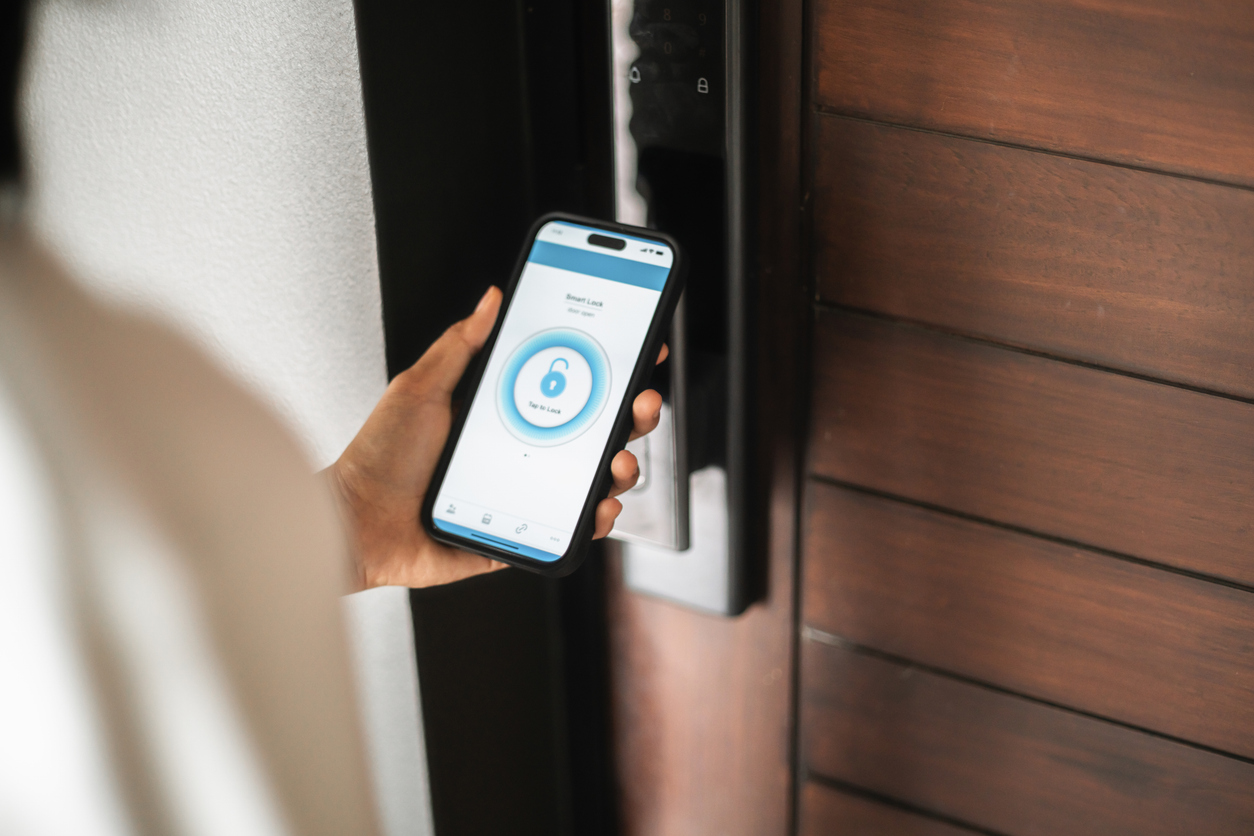
Think of your short-term rental platform like the quarterback of your hospitality tech stack. It doesn’t have to do everything, but it better know how to pass, coordinate, and keep everyone playing the same game. Because in modern property management, no tool is an island.
Where Does a Short-Term Rental Platform Fit in a Tech Stack?
At a glance, the platform handles the guest-facing side of things: listings, availability, bookings, and communication. But behind the scenes? It plays a far bigger role.
A well-chosen platform becomes the lynchpin of your operations, coordinating everything from bookings and pricing to guest messaging and check-in flows. It sits right at the intersection of marketing, operations, and guest experience, syncing data across your property’s critical systems.
When everything’s connected, your business runs like a well-oiled RV. When it’s not, you’re stuck with manual work, missed opportunities, and operational headaches.
The Supporting Cast: Tools That Power Your Tech Stack
Your short-term rental platform is the connector, but it’s the surrounding tools that do the heavy lifting. Here’s what a well-integrated stack might include:
- PMS (Property Management System): This is your operational engine. It manages reservations, guest profiles, site/unit assignments, maintenance, housekeeping, and so much more. Think of it as your control center—and yes, Newbook is built exactly for this.
- Keyless Entry or Access Tools: Smart locks, gate codes, or license plate recognition systems streamline check-in, boost security, and remove friction from the guest journey.
- Dynamic Pricing Software: Tools like PriceLabs or IDeaS adjust rates in real time based on market demand, occupancy, and seasonality, maximizing revenue without lifting a finger.
- Review and Reputation Management: Automate the collection of guest feedback and ensure that your best reviews are seen on Booking.com, Airbnb, and Google.
Accounting Integrations: Whether it’s QuickBooks, Xero, or another favorite, linking your platform to accounting software ensures revenue, invoices, and taxes stay buttoned up.
Each of these tools brings value, but they only work at full power when your platform can talk to them.
Your all-in-one, online booking system
Newbook is your all in one online booking system. Talk to us today to learn how you can improve operations and increase booking for your business.


The Secret Ingredient: Open API and Flexibility
Here’s where the winners separate from the wannabes.
If your platform doesn’t offer an open API, you’re stuck in a closed system—one that limits integrations, makes scaling a pain, and forces you into awkward workarounds (and probably a few late-night support chats).
With an open API, on the other hand, your platform becomes a launchpad for innovation. Want to integrate a new Point of Sale system? Done. Test a new upsell tool? Easy. Automate custom reports across multiple properties? Totally doable.
Platforms like Newbook were built with this flexibility in mind. Whether you’re managing a handful of glamping tents or a nationwide portfolio of RV parks, the tech stack grows with you, not against you.
Conclusion
At the end of the day, your short-term rental platform isn’t just a booking tool—it’s the connection tissue between your guests, your operations, and your revenue. It should work with your tech stack, not against it. It should elevate your guest experience, not complicate it. And it should give you room to grow, not box you into a system that only works for “Airbnb landlords.”
Whether you’re aiming to boost direct bookings, automate check-ins, or build a scalable tech stack that makes your life easier, the right platform is out there. And if you’re looking for one that integrates seamlessly, offers world-class support, and was built with enterprise-level operators in mind? Well, Newbook might just be your new MVP.
Ready to upgrade from “just getting by” to “fully booked and thriving”? Let’s make it happen! Contact Newbook today to get started.
eBook: Optimize Online Presence & Convert More Bookings
Unlock our expert tips to optimize your digital strategy through OTAs and social media, and boost conversions on your direct booking engine.