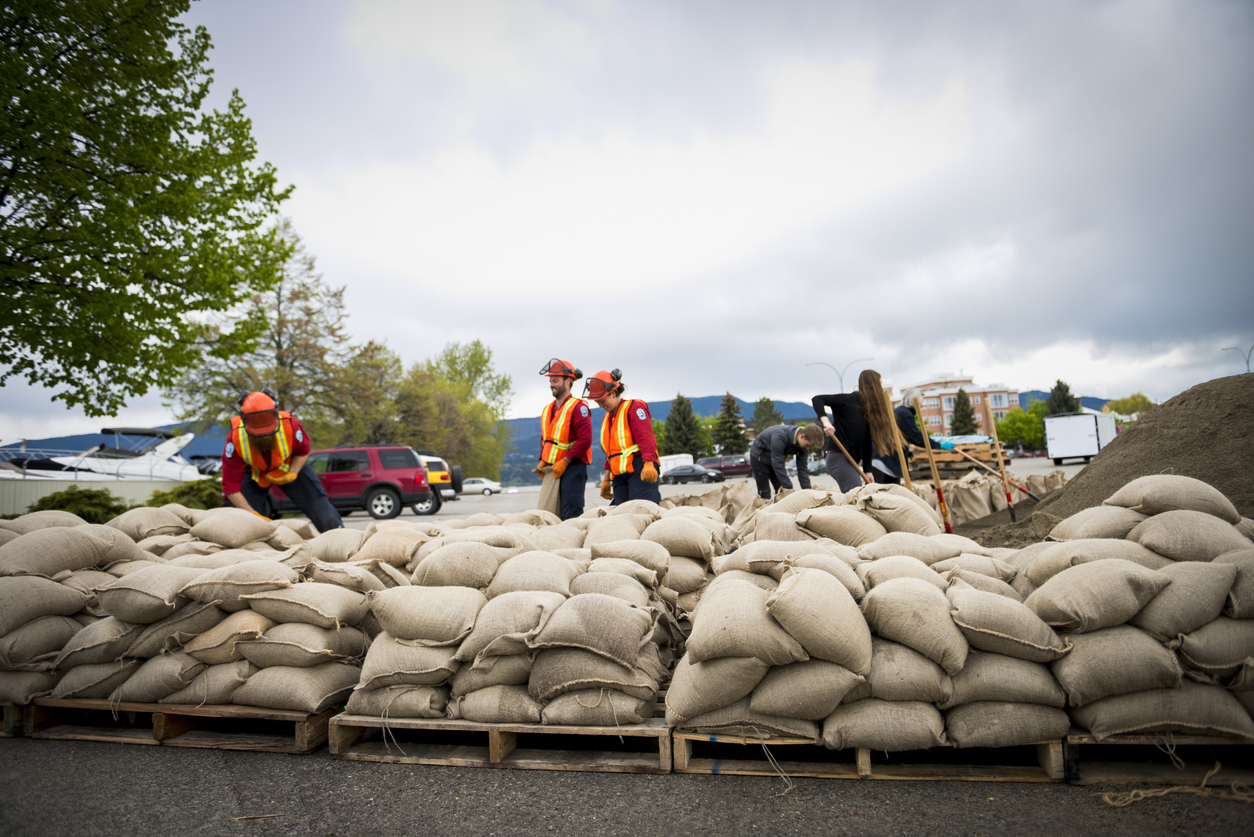
Natural disasters don’t send invites—they just show up, often unannounced, and leave chaos in their wake, just like your dad’s side of the family. Just kidding!
If you’re in the hospitality game, you’re not just managing a property, you’re responsible for the safety and peace of mind of every guest who walks through your door. From hurricanes to wildfires, being prepared isn’t just smart—it’s part of doing business right. Let’s make sure your property is ready to face the worst while keeping your guests (and staff) safe, calm, and maybe even a little impressed.
Natural Disaster Preparedness Plan: Why It’s Critical for Hospitality Operators
A natural disaster preparedness plan is critical for hospitality operators to ensure safety, build trust, minimize disruption, and maintain operational continuity.
Liability, Safety, and Reputation Management
Liability, Safety, and Your Reputation (aka, don’t be that vacation spot on the news). A good disaster plan is your secret weapon. Not only does it reduce the chance of harm, but it also shows your guests and your insurance company that you’ve got it together. One badly managed emergency can lead to lawsuits, injuries, or a social media nightmare. But a well-prepared response? That builds trust and earns your five-star reviews, even in tough times.
Consider Tathra Beachside Resort, a Newbook customer. When faced with a natural disaster coming for their little slice of paradise, they used Newbook’s automated SMS feature in a unique way: to send a severe weather alert to guests. This aided in the owner’s implementing a calm and streamlined evacuation plan while keeping their guests informed. After setting up a temporary office in a different location, they were able to account for every guest, including their pets. Emergency response specialists have since studied the ingenious way that the owners of Tathra used Newbook.
Common Natural Disasters by Region
Depending on where your campground, RV park, or vacation rental is located, you might be at a higher risk for some natural disasters compared to others. You might even have encountered a handful in the past. Here’s a list of what to look out for for each natural disaster and what to expect if and when they come your way. Take a peek at the chart below:
| Natural Disaster | Information |
| Tornados | If you’re in the Midwest or Southeast, you know the drill. Tornadoes are fast, unpredictable, and scary. You need a no-nonsense shelter plan and crystal-clear instructions. |
| Hurricanes | If you’ve got ocean views, hurricanes are part of the deal. Plan for flooding, power loss, and evacuation routes. Also, a backup plan for your backup plan. |
| Wildfires | The West isn’t just about wine and waves—wildfires are a real threat. You’ll need early-warning systems, fast exits, and maybe even smoke-mitigation measures. |
| Floods | These can happen anywhere there’s too much rain and not enough drainage. Floods destroy infrastructure and mess with health codes. Prep accordingly. |
| Earthquakes | Especially common on the West Coast and Alaska, earthquakes don’t give warnings. So your buildings and staff need to be ready to react instantly. |
Regulatory Compliance and Insurance Requirements
Stay legal and insured, cause no one wants a claim denied! Many states and cities have emergency preparedness laws for lodging businesses. Following them keeps guests safe and helps you qualify for insurance and speeds up claims when the dust settles. Some insurers even give discounts for having solid mitigation strategies in place.
Guest Safety Expectations and Operational Continuity
Today’s traveler, especially families and corporate guests, expects your property to have a safety plan. They want to know you’ve thought this through. Operationally, the faster you bounce back, the less money you lose. That’s the win-win.
Protecting Infrastructure, Minimizing Downtime, and Maintaining Trust
Generators, storm shutters, and flood barriers aren’t just nice-to-haves; they’re your frontline defense. Investing in resilience pays off with lower downtime and higher guest confidence. When disaster strikes, every minute counts, and so does every piece of your infrastructure. From plumbing and power to guests and confidence, your ability to bounce back quickly is what separates a crisis from a catastrophe.
Think of it this way: infrastructure protection isn’t just about bricks and mortar. It’s also about keeping your operations running smoothly, your bookings steady, and your reputation intact.
Here’s how to make that happen:
| Protection of Infrastructure | Suggestions |
| Fortify the Physical Space | Storm shutters & impact-resistant windows: Crucial for coastal and tornado-prone areas. Flood barriers & sump pumps: Protect basements and ground-floor rooms from water damage. Backup generators: Keep lights on, systems running, and phones charged when the grid goes dark. Surge protectors and battery backups: Safeguard your tech and prevent data loss. |
| Prep Your Digital Infrastructure | Cloud-based backups: Ensure guest information, booking systems, and communications are recoverable. Automated guest messaging tools: Pre-schedule alerts or instructions if a storm or evacuation is forecasted. Redundant Wi-Fi and communication systems: Guests expect to stay connected, especially during an emergency. |
| Train for a Quick Reset | Have a rapid recovery plan: From assessing damage to cleaning and reopening, every step should be mapped out and assigned. Workforce rotation: Create a plan to rotate staff shifts post-disaster to reduce burnout and support faster reopening. Vendor list on standby: Secure priority service agreements with local plumbers, electricians, and restoration services. |
| Maintain Guest Trust Through Transparency | Communicate—before, during, and after an incident. Show your preparedness (think: social posts, check-in desk signage, even property tour highlights). If something goes wrong, own it. Honest, empathetic updates and fast solutions (like rebooking or partial refunds) can build loyalty. |
Guests don’t just remember how comfy the bed was, they remember how safe they felt. By protecting your infrastructure and planning for a quick rebound, you show guests they’re in capable hands even when the skies turn grey.
Coordination With Local Authorities and Emergency Services
Having a relationship with local emergency management and services makes everything easier. If something goes wrong, you’ll already know who to call, and they’ll know who you are. This speeds up help and simplifies evacuations or medical care.
Creating Your Disaster Response Strategy
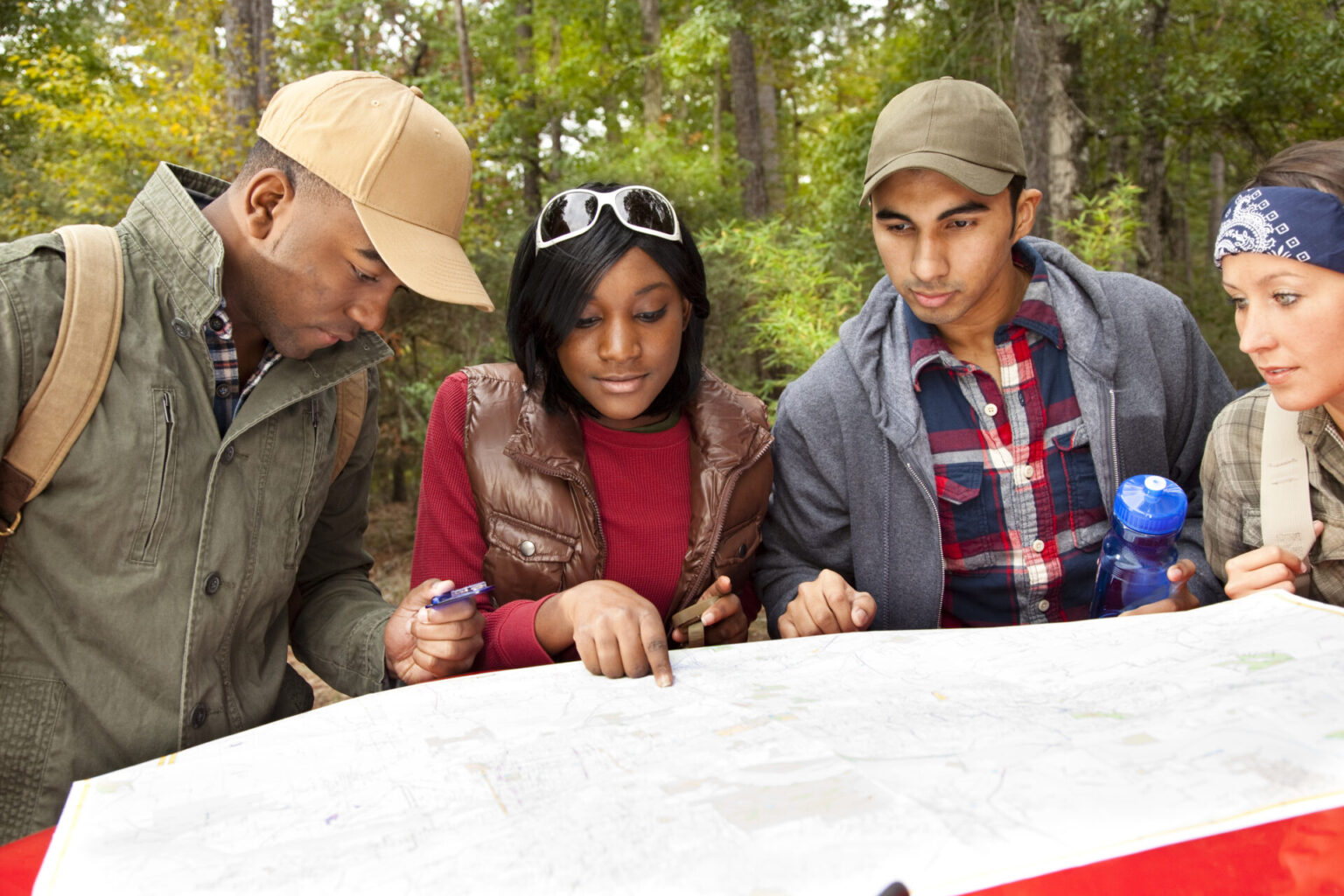
You can’t predict every natural disaster, but you can prepare like a pro. A solid disaster response strategy is the backbone of any resilient hospitality operation, especially for outdoor and vacation properties like campgrounds, RV parks, and short-term rentals. Here’s how to make sure your guests and staff are ready for anything Mother Nature throws your way.
Risk Assessment
Look at your location and history. Is your campground, RV park, or vacation rental by a lake, forest, coast, or near fault lines? What happened nearby before? From there, imagine the worst: What would happen if a tornado struck during someone’s visit? Or if a flash flood hit during peak visitation season? Research past events in your region. If it’s happened before, it can happen again.
Now play out the worst-case scenario:
- What if a wildfire breaks out during a holiday weekend?
- What if an earthquake hits while guests are asleep?
- What if a tornado touches down mid-s’mores session?
Thinking about your disaster response plan in terms of the worst-case scenarios isn’t meant to scare you, but rather ensure that you’re prepared should the unthinkable occur.
Evacuation Planning
Your evacuation plan should be airtight and intuitive for everyone, no matter their age, language, or mobility level. Focus on three essential pillars:
- Exit routes: Map out multiple escape routes, making sure they’re unobstructed and clearly marked. Practice using them regularly with your team.
- Signage: Install multilingual and high-contrast signage throughout your property. Add glow-in-the-dark or LED-lit signs for visibility in low-light situations.
- Accessibility: All guests must be able to evacuate safely—this includes those with disabilities, families with young children, and elderly guests. Ramps, wide paths, and visual aids are key.
Make sure every guest can get out, regardless of mobility. Post signs in multiple languages, concentrating on the ones that most of your guests speak if you get international guests. Run drills. Keep emergency lighting and power backups ready. Your exit plan should be second nature to your team. The goal is for your evacuation plan to feel like second nature to your staff—smooth, automatic, and stress-free.
Communication Plans
When disaster hits, confusion is your biggest enemy. Clear, consistent communication saves time, reduces panic, and helps everyone make better decisions.
Here’s your multi-channel toolkit for reaching the right people at the right time:
- Text Alerts: Fast and direct for guests and staff.
- Emails: Great for pre-arrival warnings and detailed follow-ups.
- Signage: Simple, durable, and crucial in high-traffic areas.
- In-Room Instructions: Laminated guides or QR codes linking to live updates.
- PA Announcements: Ideal for real-time updates across large properties.
It’s also important to designate a communications lead for every shift. This person ensures messaging is accurate, timely, and consistent withno mixed signals and no confusion. Make sure everyone on your team knows who that person is. Appoint a communications lead for each shift who manages updates and keeps everyone informed—no mixed messages here!
Building a Natural Disaster Preparedness Kit for Your Property
You’ll want a large, all-inclusive natural disaster preparedness kit, otherwise known as an emergency kit for staff operations, and a smaller version that guests can access. The goal is to keep everyone as comfortable and informed as possible until help arrives.
We suggest you keep one kit in the office, another in the staff area, and a smaller version for guest access. Waterproofing documentation, portable power, radios, maps, and signage templates are all important elements you should have on hand.
What Supplies Should Be Included in an Emergency Preparedness Kit for a Natural Disaster
When it comes to natural disasters, preparation is everything. You can’t control the weather, but you can control how well you’re equipped when it turns. Whether you’re managing a campground, RV park, or short-term rental property, having a well-stocked emergency preparedness kit can mean the difference between chaos and calm. While it’s always better to over-prepare than under-prepare, there are a few must-haves that every kit should include at a minimum, and some extra considerations to truly cover all your guests’ needs should you have the resources to stock them.
Must-Haves
Every emergency kit should start with the basics—items that offer safety, visibility, warmth, and survival in the short term:
- First Aid Kits: These should include a range of medical supplies and clearly labeled, easy-to-follow instructions. You want someone with zero medical training to be able to use them effectively.
- Flashlights & Crank-Powered Lanterns: Prioritize options that don’t rely solely on batteries. Crank or solar-powered lights are lifesavers in prolonged outages.
- Blankets or Thermal Wraps: Space-saving and heat-retaining, these are crucial if temperatures drop or shelter becomes limited.
- Batteries Galore: Stock extra batteries of all sizes—AA, AAA, D—whatever your devices need, and then some.
- Water Purification Tablets or Bottles with Filters: If clean water becomes inaccessible, these simple tools can prevent dehydration and illness.
Guest-Specific Items
Different guests have different needs, and your kit should reflect that:
- Medication Lockers: A lockable, clearly labeled space where guests can store and retrieve essential medications safely during an emergency.
- Baby Care Kits include diapers, wipes, baby formula, and a few comfort items like pacifiers or soft blankets.
- Pet Kits: Don’t forget the furry family members! Include small collapsible crates, pet food, collapsible bowls, leashes, and waste bags.
Food Considerations
You might wonder, “What food should be included in an emergency preparedness kit for a natural disaster?” Food may not seem urgent in the first hour of an emergency, but trust us, it gets there fast. People (especially children) feel safer and more comfortable when their basic needs are met.
Make sure your kit includes:
- Shelf-Stable Heroes: Think MREs (Meals Ready to Eat), protein bars, canned goods, nut butter packets, and electrolyte drink mixes.
- Options for Dietary Restrictions: Have a few clearly marked options that are gluten-free, vegetarian, or allergy-friendly to accommodate your guests.
- The 72-Hour Rule: A general guideline is to stock at least three days’ worth of food per person. That includes snacks, not just meals—comfort foods can provide emotional relief in stressful situations.
Pro Tip: Store your emergency kits in clearly marked, waterproof containers and place them in central, easily accessible locations across your property. Check and refresh supplies every six months so they’re always ready to go.
Guest-Facing Emergency Preparedness

Let’s face it: When guests choose your property, they trust you with more than just their vacation plans. They’re counting on you to have their backs if things go sideways. Whether they’re seasoned travelers or first-time campers, guests want to know you’re not just ready, you’re steady. Making your emergency preparedness plan clear and accessible is one of the easiest ways to earn that trust and create peace of mind.
Here’s how to do it like a pro:
Pre-Arrival
Before your guests arrive, send automatic texts or emails if there’s a potential threat, weather alerts, or polices they should be made aware of. Include flexible cancellation or rebooking options and tell them how you’re ready to keep them safe. Any easy-to-read outline of what measures you have in place will do wonders and make you look as credible as you are (here’s an example frrom another park of the literature that you could provide to your guests).
Here are a few golden tips to follow:
1. Communicate Clearly and Early
Before guests even show up, you should be setting the tone. If there’s a known weather risk, like an approaching storm or wildfire warnings in the area, get in front of it. Send automated texts or emails with weather updates, emergency notices, or helpful information on what guests should bring or expect.
2. Outline Emergency Readiness in Booking Confirmation Emails
Include a short section in your confirmation emails that highlights your property’s emergency readiness. Let them know you have a disaster plan in place, what they can expect if something occurs, and how they’ll be kept in the loop.
3. Flexible Policies Earn Loyalty
Offer flexible cancellation or rebooking options when threats are on the horizon. This shows guests that their safety matters more than squeezing a weekend booking. It also builds goodwill that leads to positive reviews and repeat business.
4. Share Your Emergency Toolkit (Without Creating Panic)
Without being alarmist, reassure guests with a simple checklist of what’s available onsite: backup power sources, emergency food and water, evacuation plans, and staff trained in emergency procedures. A quick, friendly PDF or webpage does the trick.
On-Site
Post signs and maps to help guide your guests and prevent confusion. Confusion can lead to panic, and panic is not what you need. Put laminated guides in units with QR codes for real-time updates. Train your team to speak calmly and clearly.
In the chart below is a breakdown of what we think is necessary.
| What’s Needed | How to Execute |
| Signage: Friendly but Clear | Install multilingual signs around the property indicating evacuation routes, shelter areas, and emergency contact numbers. Use symbols where possible for universal understanding. Keep the tone calm, informative, and action-oriented. |
| In-Unit Guides & QR Codes | Each unit or rental should have an emergency guide—laminated, weather-resistant, and ideally attached near the entrance or light switch. The guide should include a QR code linking to real-time weather alerts, emergency instructions, or local emergency contacts. |
| Real-Time Alerts | Use a text alert system or app to provide updates in real-time. This could include evacuation orders, all-clear notifications, or safety reminders. The faster and more direct your communication, the better your guests will respond. |
| Guest Briefings for High-Risk Seasons | During seasons of heightened risk (like hurricane or wildfire season), consider a short safety briefing at check-in, especially for group bookings or longer stays. Keep it under two minutes, make it casual, but hit the key points. |
| Reassuring Presence | Train your staff to be calm, knowledgeable, and proactive. A friendly team member walking guests through what to do is worth more than any sign or email in the world. |
| Offer Comfort Touches | If guests are stuck indoors during a storm or waiting out an evacuation order, offer board games, extra snacks, or even a movie night in a common area if safe to do so. A little effort goes a long way in turning stress into solidarity. |
Post-incident
After the dust settles, how you handle the aftermath matters. Communicate with care and offer refunds, credit, or future stays if applicable. Be empathetic, transparent, and responsive. Your support will mean a lot to them, no matter the circumstances.
1. Prioritize Communication
As soon as it’s safe, send updates on the situation and your property’s status. If there is an evacuation, let guests know when they can return. If their plans were interrupted, offer clear next steps on refunds or rebooking.
2. Be Human and Helpful
Don’t default to cold, corporate language. Acknowledge their experience and offer understanding: “We’re so sorry your vacation didn’t go as planned. Our team is here to help however we can—whether that’s rescheduling your stay or offering a credit toward your next visit.”
3. Offer Options, Not Just Apologies
Some guests may want a refund, others a credit, and some may just appreciate the gesture of a follow-up discount code. Offering options empowers them to choose what feels fair and respectful.
4. Follow Up
Even after the dust settles, follow up with guests who went through an emergency at your property. A personalized note or call shows class and reinforces your brand as one that genuinely cares.
Staff Training & Coordination
It’s super important to train your team like pros. Everyone should be up to date and knowledgeable on all the same things, so everyone can act like a team and work together.
Drills and Simulations Tailored to Your Property Risk Factor for a Natural Disaster (e.g., tornado vs. fire)
When an emergency strikes, confusion is the enemy. The best way to protect your team and your guests is through preparation, and that starts with regular, realistic training. Drills and simulations turn plans into muscle memory, helping your staff respond quickly and calmly no matter the situation. Here’s how to make that training count:
- Start with a Risk Assessment: Before jumping into drills, identify your property’s top vulnerabilities. Are you near flood zones, wildfire-prone forests, or fault lines? Use local emergency management resources to assess the most likely threats and prioritize your training accordingly.
- Make Drills Routine, Not Rare: Quarterly drills aren’t overkill; they’re smart. Just like schools practice fire drills, your property should practice various emergency scenarios. Role-play real guest interactions and run full simulations when possible.
- Encourage Feedback: After each drill or incident, debrief with your team. What went well? What could improve? Involving them in the process makes them feel valued and leads to stronger systems.
Assigning Roles: Who’s the Point Person? Who Notifies Guests?
When an emergency strikes, the last thing you want is uncertainty or disorganization. That’s why every team member needs to know exactly what their role is and how to carry it out under pressure. Clear roles help eliminate confusion and ensure that the response is both fast and effective. Assigning a shift leader for every team (someone trained to take command in a crisis) is a great place to start. This person becomes the go-to contact for everyone else, tasked with delegating responsibilities and making real-time decisions.
Cross-Training Staff on Communication Tools and Emergency Kits
Emergencies don’t always happen on a perfect schedule, and you can’t guarantee every team member will be present when something goes wrong. That’s where cross-training comes in. Ensuring that multiple staff members are trained in the same procedures and familiar with each other’s roles builds critical redundancy. If someone is off-duty, sick, or temporarily unavailable, others can step in without missing a beat. This approach doesn’t just enhance safety—it also builds team confidence.
Ready to Get Started?
Preparation isn’t just a precaution—it’s a promise. A promise to your guests that their safety is your priority. A promise to your team that you’ve got their backs. And a promise to yourself that your business is built to weather any storm. When disaster strikes, the properties that thrive aren’t lucky—they’re ready. From early warning systems to emergency kits to calm, clear communication, every piece of your plan builds trust and resilience. And in the hospitality world, that’s what earns loyalty. Be the property guests trust when things get tough, and the one they recommend when things get better.
Ready to start optimizing your operations and getting streamlined guest communications in place? Reach out to Newbook today for a demo!